
In the race to dominate the burgeoning AI landscape, tech giants like Amazon, Meta, and Microsoft are rapidly expanding their data center networks to meet the growing demand for computing power. However, this boom in data centers is placing a significant strain on America’s aging electrical grid and could drive up electricity costs for households, while also consuming massive amounts of water for cooling purposes.
The rapid expansion of data centers is raising concerns about whether the country’s infrastructure is equipped to handle the energy demands of these high-tech facilities. As companies continue to invest billions of dollars into building data centers, questions about the sustainability of these developments, particularly in terms of energy use and water consumption, are becoming increasingly urgent.
The Global Data Center Boom: Where Are They Built?
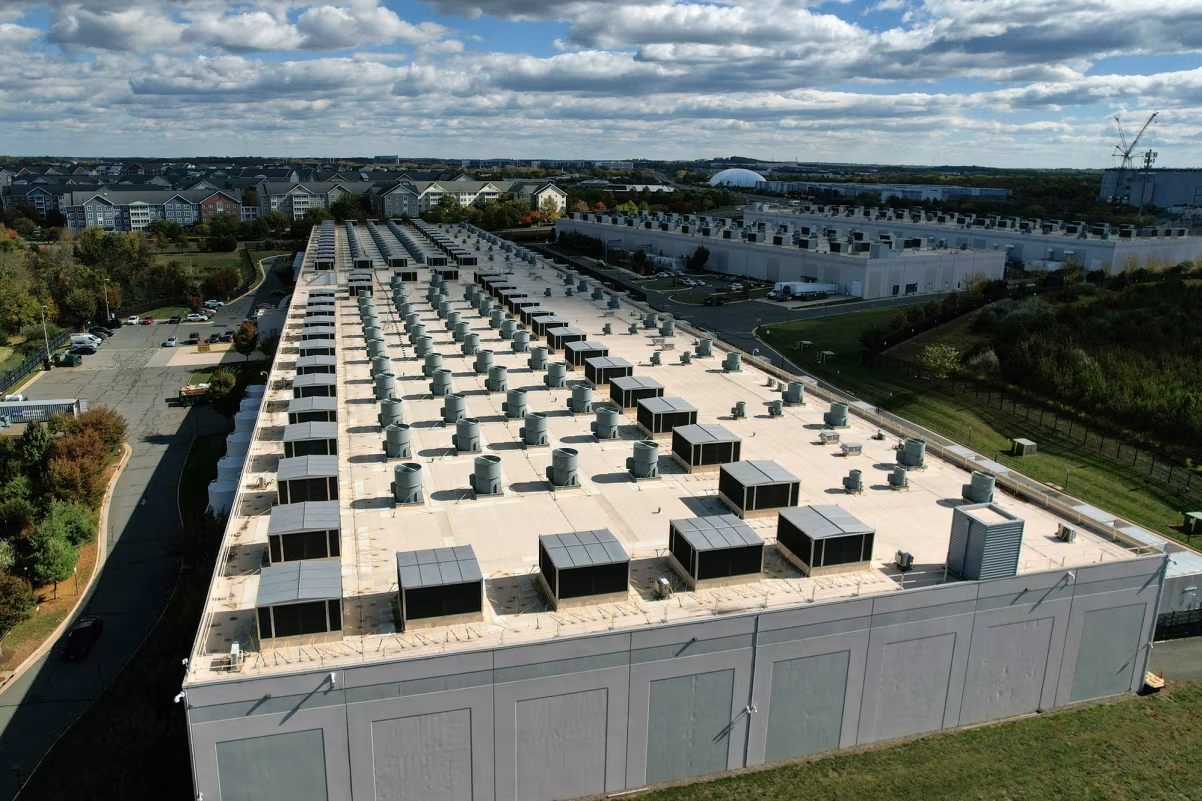
Data centers, essential for housing the servers and equipment that power everything from cloud services to AI applications, are being built in increasing numbers across the United States. Virginia currently boasts the largest concentration of data centers globally, with 561 centers spread across 23 markets, according to Data Center Map. This region’s dominance in the data center industry is driven by its proximity to the nation’s capital and the availability of energy resources.
But the trend is not confined to one area. New data centers are popping up in remote locations where energy is more abundant, and the strain on local grids is less pronounced. According to a McKinsey & Company report from August 2025, states like Colorado, California, and Pennsylvania are emerging as new hotspots for data center development. This shift is partly due to the growing need for energy-efficient locations and a desire to decentralize operations away from the overburdened infrastructure in urban centers.
States are also offering financial incentives to attract data center investments. Ohio, for example, has provided partial or full sales tax exemptions to companies making significant capital investments in data centers. These tax incentives aim to bolster local economies but may also contribute to the growing reliance on the electrical grid to support these large-scale facilities.
Who Are the Leading Companies Driving the Data Center Expansion?
The largest tech giants are leading the charge in the construction of new data centers. Meta, for instance, invested a staggering $17 billion in capital expenditures—most of which went toward expanding its data center infrastructure—in the second quarter of 2025. Microsoft has also committed to significant investments, with $24.2 billion spent in the same quarter. Amazon announced it would invest $15 billion in new data center campuses in Northern Indiana, along with an additional $11 billion in a 2024 expansion plan.
According to Bank of America, the annual spending on data center construction by companies like these hit $40 billion by June 2025. This ongoing investment is a direct response to the accelerating demand for AI services, cloud computing, and data storage, with each new data center requiring massive amounts of energy and resources to function.
How Data Centers Are Driving Up Energy Costs
The surge in data center development is putting immense pressure on the US electrical grid, especially in areas near where these facilities are located. Data centers are major energy consumers, with large numbers of servers running continuously, consuming vast amounts of electricity to power their operations. This increased demand for power is leading to higher electricity costs, particularly for residents in areas near these centers.
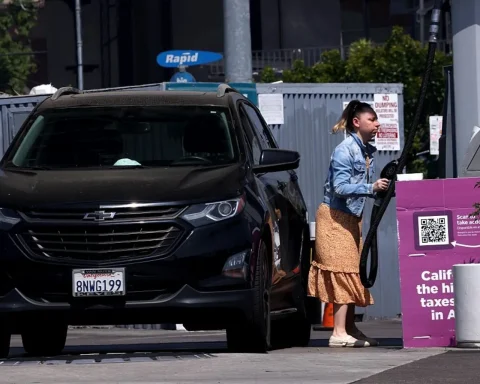
In fact, residential electricity rates in the US saw a 5.2% increase in October 2025 compared to the same time in the previous year, according to the Energy Information Administration. Areas near data centers have been particularly affected, with electricity prices increasing by as much as 267% in some regions over the last five years, as reported by Bloomberg News.
Ryan Hledik, a principal at the Brattle Group, noted that the increase in electricity prices is partly due to the surge in energy demand driven by data centers. “We’re seeing a fundamental shift in how energy is distributed and consumed in these regions, and data centers are a significant part of that dynamic,” Hledik explained. The growing demand for energy, coupled with the aging infrastructure of the US electrical grid, has created a perfect storm for rising energy costs.
While there are exceptions, such as areas with surplus energy or data centers that operate during off-peak hours, the overall trend points to continued pressure on the grid. America’s outdated distribution system, which requires costly upgrades, is further exacerbating the situation, with investments in the system rising following the supply chain disruptions caused by the pandemic.
The Long-Term Impact: Data Centers and Rising Energy Demand
Data centers’ energy consumption is projected to increase significantly in the coming years. According to a December 2024 report from the Department of Energy, data centers are expected to consume between 6.7% to 12% of the total electricity in the US by 2028, up from 4.4% in 2023. This growth in electricity demand is largely driven by the rapid expansion of AI, cloud services, and big data technologies, all of which require vast amounts of computing power.
To address the pressure on the electrical grid, some utilities have introduced new pricing models for large customers, such as data centers, to reflect the strain they place on the system. Additionally, some states, like Oregon, have passed laws requiring data centers to “pay for the actual strain they place on the electrical grid,” further highlighting the growing tensions between these large-scale operations and local energy resources.
The Water Issue: Cooling Data Centers
Another significant challenge posed by the rapid expansion of data centers is their massive water consumption. Data centers require enormous amounts of water to cool their servers and prevent overheating. According to McKinsey’s report, the water usage for cooling data centers is projected to increase by 170% by 2030, as the industry continues to grow.
Water scarcity is already a pressing issue in many parts of the world, and the data center industry’s growing demand for water raises concerns about sustainability. Many data centers rely on local water supplies, and as these facilities increase in number, the strain on water resources could become a significant issue for both local communities and the environment.
The Balancing Act: Data Centers vs. Local Communities
The rapid expansion of data centers is raising questions about how to balance the needs of these powerful tech companies with the rights and resources of local communities. While data centers provide economic benefits by creating jobs and driving technological innovation, they also contribute to rising electricity prices, water consumption, and environmental degradation.
Ryan Hledik from Brattle Group raised the central question: “How do we create the conditions so that everyone is a winner in this situation, and not a case where you have some winners and then the local community left behind?” This question will continue to be at the heart of discussions as the industry grows, and finding a way to balance the needs of data centers with those of local communities will be crucial for the future of both technology and sustainability.
The Road Ahead for Data Centers and the Grid
As the demand for AI, cloud computing, and big data services continues to surge, data centers will remain a key driver of energy consumption and resource use in the US. The challenge for policymakers, energy providers, and tech companies will be to manage this growth in a way that minimizes the negative impact on local communities, the environment, and energy prices. With ongoing investments in data center infrastructure and increasing concerns over sustainability, the coming years will require innovative solutions to ensure that the benefits of this technological boom do not come at the expense of broader societal well-being.