

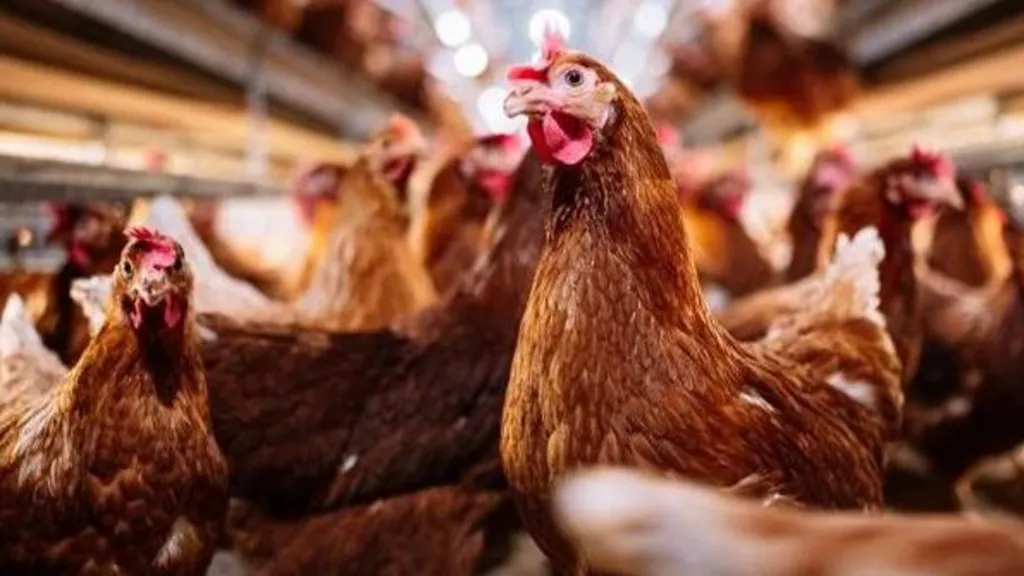
AI technology designed to improve efficiency on egg farms has received £2.6 million in government funding. The system uses artificial intelligence to analyze sensor data from farms, including the sounds hens make, to detect potential issues early.
Oxford-based FAI Farms developed the Flockwise system in partnership with The Lakes Free Range Egg Company in Cumbria and Newcastle University. The system’s full name—Facilitating Learning Opportunities, Cultivating Knowledge and Welfare through Integrated Sensing and Expertise—reflects its broad scope. It focuses on improving both productivity and animal welfare.
The Department for Environment, Food & Rural Affairs (Defra) is backing the three-year trial. Officials hope it will enhance hen health while eventually lowering egg prices for British consumers.
FAI Farms says the AI can recognize sounds associated with stress or illness. When triggered, it immediately alerts farmers to act. This builds on their existing BirdBox system, which already monitors environmental conditions, tracks equipment, records feed intake, and collects data on egg quality.
According to Defra, the technology supports longer and healthier lives for hens. That benefits the environment as well, since hens that live longer need fewer replacements, reducing the farm’s carbon footprint.
If adopted nationwide, the project could yield major results. Defra estimates it could lead to 1.7 billion additional eggs per year and increase UK farmers’ income by up to £280 million.
Environment Secretary Steve Reed emphasized the benefits of innovation. “Government support for cutting-edge technology is making a real-world difference to British farmers and boosting their profits,” he said. He also noted that greater efficiency may translate to lower prices for shoppers.
Science and Technology Secretary Peter Kyle also praised the development. “Not only is this work putting British farming at the cutting edge,” he said, “but it’s also ensuring our morning fry-ups remain proudly homegrown. Now that’s what I call a cracking use of technology.”