
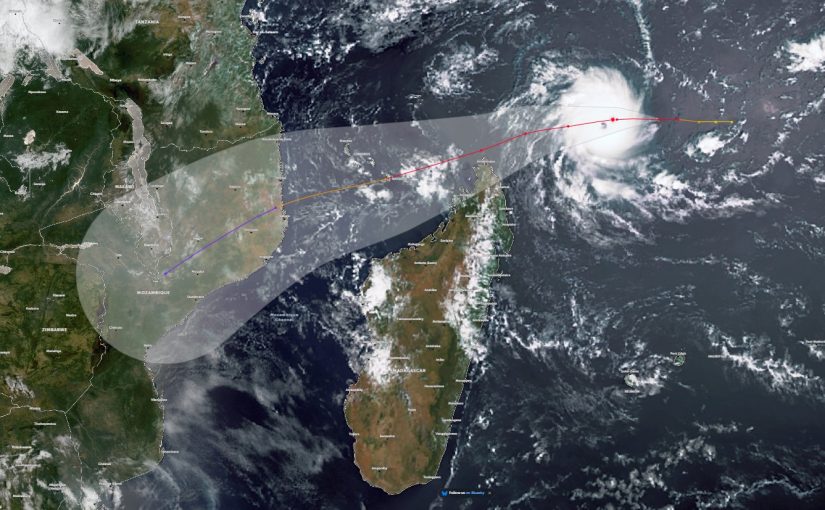
The Indian Ocean islands of Comoros, Madagascar, and Mayotte are bracing for the impact of Cyclone Chido, a powerful tropical storm expected to hit the region before making landfall on Africa’s east coast. The storm has prompted widespread preparations and warnings as communities prepare for severe winds, heavy rainfall, and potential flooding.
Comoros Prepares for Landfall
Authorities in Comoros, a small archipelago, ordered schools to close on Friday in anticipation of Cyclone Chido’s arrival early Saturday. The storm is projected to pass near the northern tip of Madagascar before hitting Comoros.
The French territory of Mayotte, situated south of Comoros, is also in Chido’s path. The French national weather service has issued a red alert for Mayotte, its highest warning level, starting Friday night.
Mozambique Issues Red Alert
On the African mainland, Mozambique has placed its northern provinces, Cabo Delgado and Nampula, under a red alert. The Mozambique National Meteorological Institute forecasts winds of up to 200 kilometers per hour (124 mph), with Chido expected to make landfall early Sunday.
Ana Cristina, director of Mozambique’s National Emergency Operations Center, estimated that approximately 2.5 million people could be affected by the cyclone and may require rescue operations.
Madagascar Takes Preventative Measures
Madagascar has been issuing warnings since Thursday through cellphone alerts and radio broadcasts, urging residents to take precautions. In the northern Diana region, where Chido is expected to have the greatest impact, evacuations are underway, with nearly 20,000 people likely to be affected.
Since Tuesday, authorities have been delivering emergency supplies, including food, water pumps, generators, and chainsaws, to the region to mitigate the storm’s effects.
Emergency Support for Mayotte
France has mobilized resources to assist Mayotte, deploying 110 personnel, including firefighters from nearby Reunion and mainland emergency workers. Three tons of emergency equipment, including search dogs and specialists trained in rubble rescue, have also been dispatched to aid in potential recovery efforts.
Cyclone Season and Growing Risks
The December-to-March cyclone season has brought increasingly severe storms to the region in recent years, a trend exacerbated by climate change. Cyclone Idai in 2019 resulted in over 1,300 deaths across Mozambique, Malawi, and Zimbabwe. Last year, Cyclone Freddy left more than 1,000 people dead across several countries.
Studies suggest that rising global temperatures are intensifying cyclones, leading to stronger winds, heavier rainfall, and heightened risks of catastrophic flooding and landslides.
Health Risks and Long-Term Impact
Risk management company Crisis24 warned that Cyclone Chido could result in widespread flooding and landslides, creating stagnant pools of water that may lead to outbreaks of waterborne diseases such as cholera, dengue fever, and malaria. These risks mirror the aftermath of Cyclone Idai, which saw deadly outbreaks in affected regions.
Global Call for Preparedness
As Cyclone Chido approaches, affected regions are mobilizing emergency resources and preparing for the storm’s impact. The event underscores the urgent need for climate resilience and disaster preparedness as extreme weather events become increasingly frequent and destructive.