

FTC sues Uber over subscription practices that allegedly included charging users for Uber One without consent and making cancellation difficult. The lawsuit, filed Monday, marks the Federal Trade Commission’s first major tech suit since President Donald Trump began his second term in January.
Uber One, launched in 2021, offers benefits like zero delivery fees and ride discounts for $9.99 monthly or $96 annually. The FTC claims that canceling the subscription may take up to 32 steps across 23 screens.
Uber responded by rejecting the claim. Spokesman Ryan Thornton said users can now cancel directly in the app, typically within 20 seconds. Uber admitted the process once required contacting support within 48 hours of billing but said that policy no longer exists.
The FTC also alleges that some customers never knowingly signed up. One example cited a consumer charged despite not having an Uber account. Uber denied the accusation, saying it does not charge users without consent.
FTC Chairman Andrew Ferguson, appointed by Trump, said the commission is standing up for consumers. The agency accuses Uber of deceptive billing and anti-consumer design.
Uber called the FTC’s claims misleading and said it was disappointed the case advanced to court.
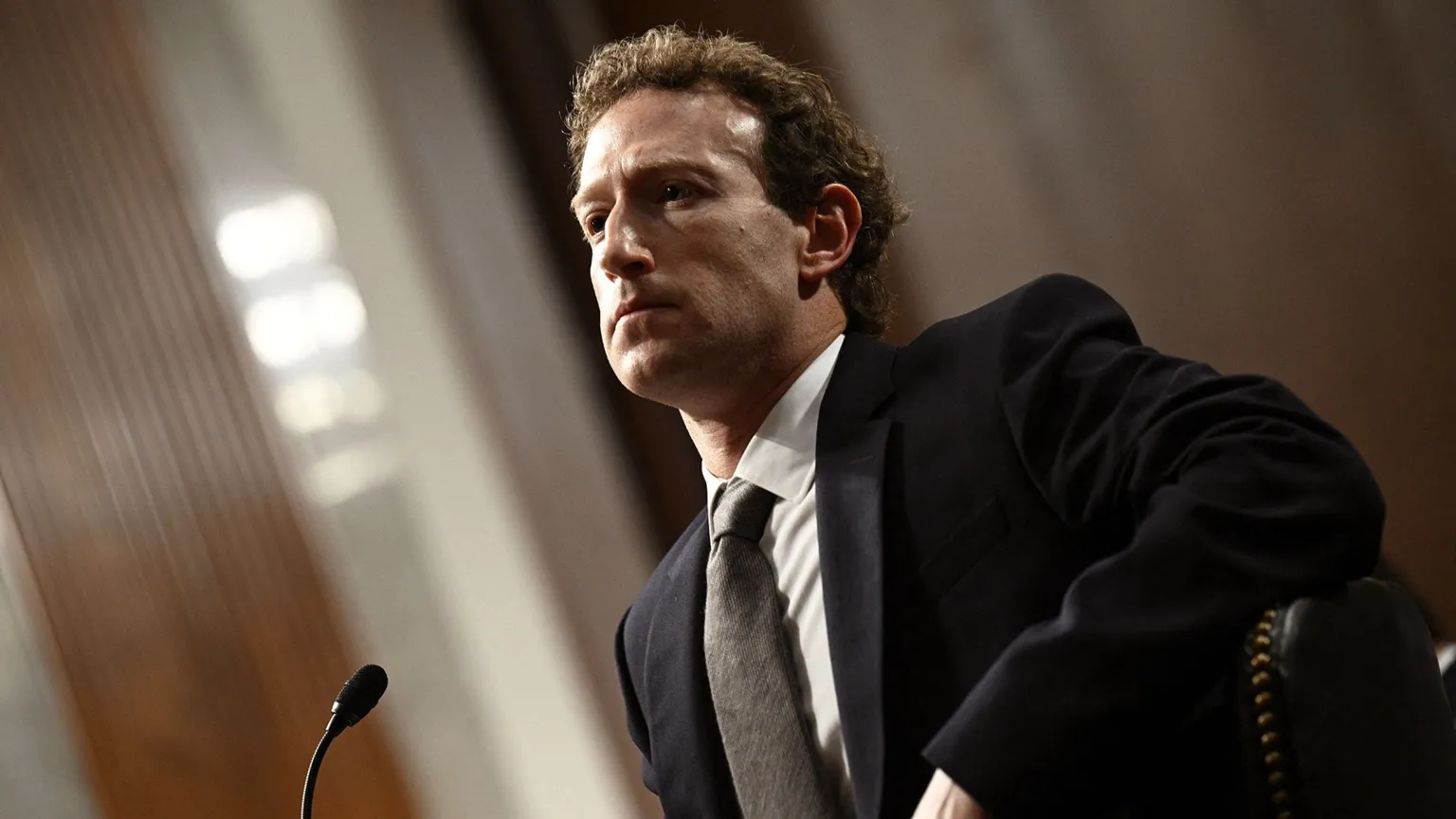
This lawsuit follows another high-profile tech case by the FTC against Meta. That case, now in its second week of trial, claims Meta maintained a monopoly by acquiring Instagram and WhatsApp. Meta argues the FTC approved those deals years ago and now unfairly seeks to reverse them.
As the FTC targets tech giants, the Uber lawsuit highlights growing scrutiny over digital subscription models and user consent.