

5 Benefits of Clean Energy for Health, Economy & Climate
As the world grapples with climate change, rising fuel prices, and deepening inequality, the benefits of clean energy offer a clear path forward. While some low-emitting countries are pressured to limit fossil fuel use despite minimal historical emissions, renewable energy presents not a burden, but a powerful opportunity for transformation.
Here are five key benefits of clean energy that go beyond just cutting emissions—they reshape health systems, protect ecosystems, strengthen economies, and build a more equitable world.
1. Clean Energy Slows the Impact of Climate Change
Burning coal, oil, and gas generates over 75% of global greenhouse gas emissions. These emissions trap heat and fuel extreme weather—droughts, floods, heatwaves, and rising sea levels—that displace millions and reverse development gains. In 2022 alone, extreme weather displaced 12 million children.
Clean energy sources like solar, wind, hydro, and geothermal emit no greenhouse gases during operation and are becoming more affordable and efficient. In 2024, renewables supplied 32% of the world’s electricity.
If we halve global emissions by 2030 and nearly eliminate them by 2050, we can still prevent the worst effects of climate breakdown. Clean energy is essential for this global effort.
2. Clean Energy Improves Health
Traditional fuels like wood, coal, and dung produce indoor air pollution that kills. Over 3.7 million premature deaths each year are linked to cooking with dirty fuels. Fine particles and black carbon cause diseases like pneumonia, heart disease, stroke, and lung cancer—especially in infants and pregnant women.
Outdoor air pollution from industrial activities and traffic also impacts mental and physical health. A recent study in Scotland linked nitrogen dioxide exposure to higher hospitalization for mental health issues.
Clean energy offers a safer alternative. In places like Syria and Afghanistan, solar power now runs hospitals and health centers previously reliant on diesel. Small-scale solar projects also bring light, refrigeration, and clean cooking to off-grid homes—saving lives and improving well-being.
3. Clean Energy Protects Natural Resources
Extracting fossil fuels harms the planet—through deforestation, water contamination, pollution, and even earthquakes. Fracking a single oil well can consume 40 million gallons of water, often at the expense of local communities and ecosystems.
In contrast, clean energy systems have a smaller environmental footprint. Once installed, solar panels and wind turbines generate power with minimal resource use. They preserve forests, wildlife habitats, and biodiversity.
Globally, over half of all trees cut down are used for fuel. Replacing wood and charcoal with clean energy can dramatically reduce deforestation—allowing forests to cool the climate, purify water, and shelter wildlife like elephants and chimpanzees.
4. Clean Energy Advances Equality
Energy access bridges social divides. After installation, solar and wind power are often cheaper than fossil fuels, which remain volatile and expensive. This opens the door for low-income households to access electricity, run small businesses, and join the digital economy.
For women and girls, clean energy is transformative. Many spend hours collecting firewood—a dangerous, time-consuming task. Clean energy frees up time for education, work, and safety. In Tajikistan, energy access directly contributed to more girls earning scholarships in fields like engineering.
Decentralized systems like micro-hydro and solar microgrids can reach the 700 million people without reliable electricity, particularly in rural areas. In Pakistan, while 99% of city residents have power, only 54% of rural residents do—highlighting the need for distributed clean energy solutions.
5. Clean Energy Stimulates the Economy
Clean energy is more labor-intensive than fossil fuel production, meaning it creates more jobs. In 85% of the world, it’s now cheaper to build new wind or solar infrastructure than to construct fossil-fuel plants.
In northern Pakistan, new energy hubs are supporting over 140 clean-tech enterprises. India’s solar mission has already made the country the world’s fourth-largest solar market, creating skilled jobs in design, manufacturing, and installation.
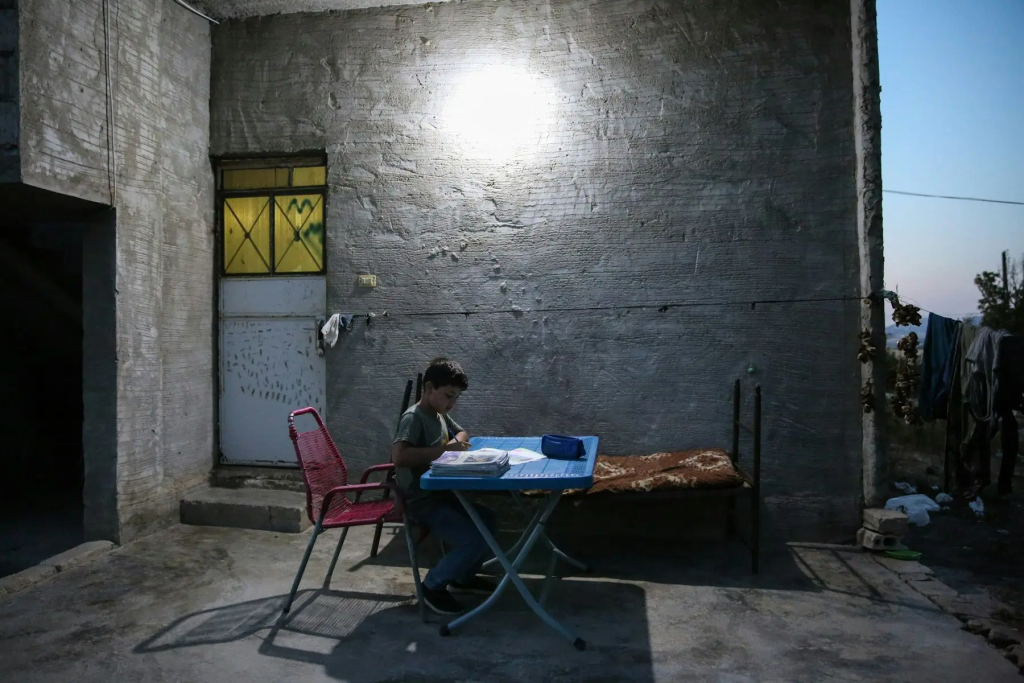
Clean energy also enables household-level economic growth. With power, families can run machinery, store food, study at night, or launch micro-enterprises. Women can start businesses, children can study, and entire communities can thrive.
According to the IEA, clean energy contributed to 10% of global GDP growth in 2023—a sign of its accelerating economic impact.
Conclusion: Clean Energy Is an Investment in the Future
The benefits of clean energy go far beyond reducing emissions. From better health and environmental protection to economic growth and gender equality, clean energy is a catalyst for a more just, sustainable, and inclusive world.
For countries navigating development challenges and climate pressures, the choice is not between progress and sustainability. With clean energy, we can achieve both.
“The injustice is that those contributing the least to climate change are often among the worst affected.”
— His Highness Aga Khan V
It’s time to change that—by powering the future cleanly, fairly, and for all.